Cart
0
You may also like


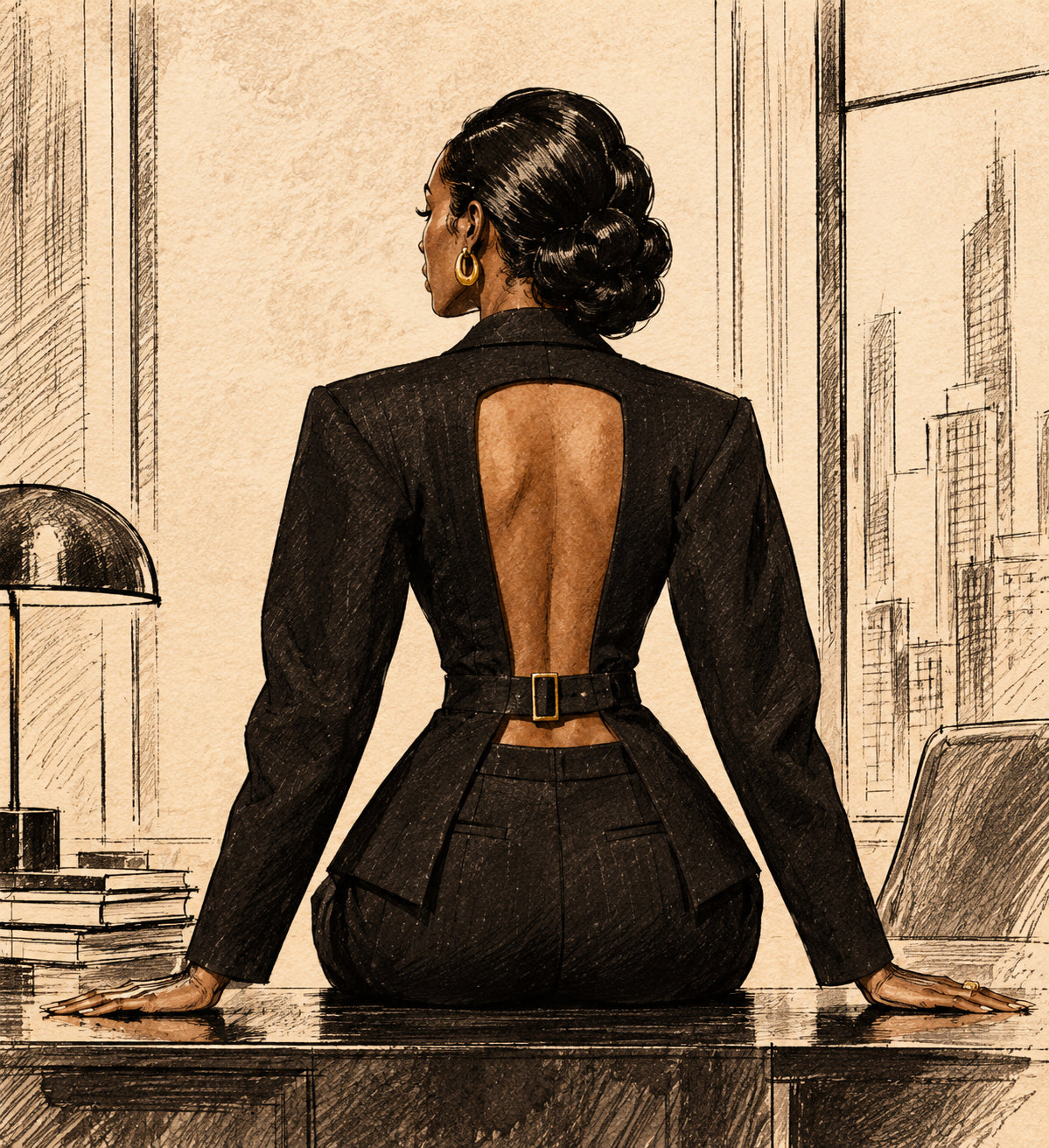
There's a kind of attention that comes with being seen. At first, it can feel like progress. Your work is getting noticed, your opinions are reaching people, and your presence is being recognized. Doors that once seemed firmly closed begin to open. And then, somewhere along the way, you realize that being visible comes with its own set of expectations.
You are no longer simply doing the work. You are being watched while you do it.
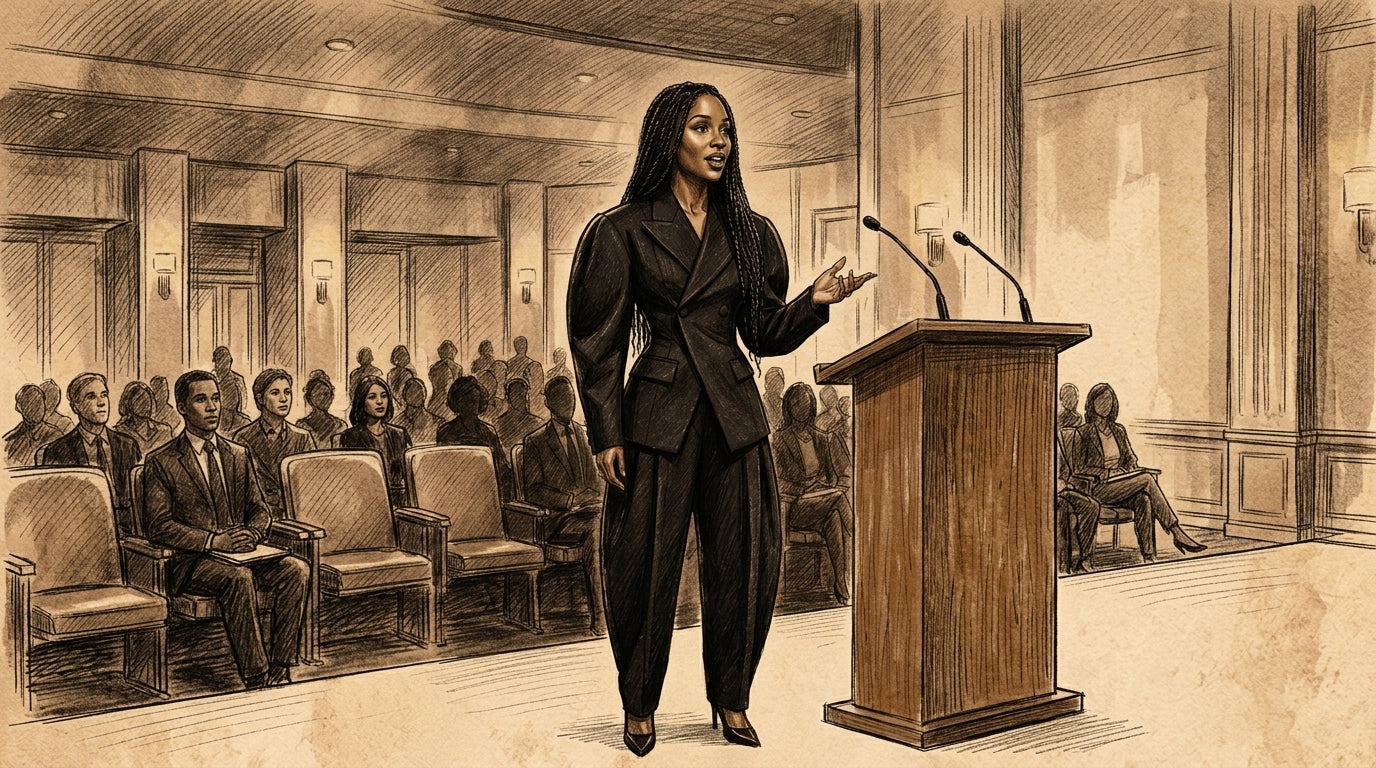
For women, visibility can be especially complicated. We encourage women to speak up, take leadership positions, share their ideas, and occupy spaces where decisions are made. Yet when they do, the attention they receive is not always limited to their work. Their appearance, personality, tone, confidence, and even their private lives can become subjects of public discussion.
So, what does it really mean to be visible as a woman? And is the attention always worth what it asks in return?
Visibility is often presented as an uncomplicated good. More recognition means more opportunities. More representation means more people can imagine themselves in positions they may not have previously considered. More women in leadership can challenge established ideas about who gets to make decisions.
And these things matter.
When women are visible in professional spaces, they can influence conversations, shape industries, and create possibilities for others. Representation can make an unfamiliar path feel more attainable. Being recognized for one's work can also bring access to opportunities that might otherwise remain out of reach.
But there is a contradiction worth examining.
Women are often encouraged to become more visible, while simultaneously being expected to manage how that visibility makes other people feel. Be confident, but not intimidating. Be ambitious, but remain approachable. Have an opinion, but know when to soften it. Be successful, but do not appear too pleased with yourself.
Apparently, being seen is encouraged. Being seen on your own terms is another matter.
The pressure of visibility is not always obvious. Sometimes it appears in the small decisions people make before speaking, dressing, posting an opinion, or entering a room. Will this be misunderstood? Will I sound too direct? Will this make me seem difficult? Should I explain myself a little more?
For women navigating visibility in the workplace, these questions can become an additional layer of professional labor. Instead of focusing entirely on the work, there can be an unspoken expectation to monitor how that work, and the person behind it, is received.
Social media has introduced another dimension. It has made it easier than ever to build an audience, share expertise, and establish a public identity. But it has also blurred the boundaries between professional recognition and personal access.
A woman can share her work without necessarily inviting commentary on every aspect of her life. Yet the distinction is not always respected.
The more visible someone becomes, the more people may feel entitled to an opinion about how she should behave, look, speak, or respond. And when public perception becomes part of the job, maintaining a sense of self can require more effort than people realize.
Of course, not every woman experiences visibility in the same way. Industry, background, race, position, and personal circumstances all influence how attention is received. But the expectation to be visible while remaining acceptable is a tension many women will recognize.

It would be easy to focus entirely on the cost. But that would overlook what visibility makes possible.
Being seen can create access. It can bring professional opportunities, attract collaborators, build credibility, and give ideas a platform beyond the rooms in which they were first expressed.
It can also challenge narrow ideas of what leadership, success, and influence are supposed to look like.
When women with different experiences, perspectives, and ways of expressing themselves become more visible, the picture of who belongs in positions of influence becomes harder to confine. A woman does not have to fit one familiar image of success to demonstrate competence. Nor should she have to adopt someone else's personality to be taken seriously.
There is value in seeing women who lead differently, dress differently, communicate differently, and build careers on their own terms.
Sometimes, the greatest contribution of visibility is not the attention received by the individual. It is the permission that visibility gives others to imagine a different possibility for themselves.
Perhaps one of the more important distinctions is the difference between visibility and accessibility.
Being visible does not mean being available for constant explanation. Having a public voice does not mean owing everyone a response. Sharing professional achievements does not mean surrendering every personal boundary.
And being recognized does not require becoming a permanent performance of the person people expect to see.
There is a difference between being intentional about how you present yourself and becoming consumed by how you are perceived. One allows room for choice. The other can turn ordinary decisions into an exercise in approval.
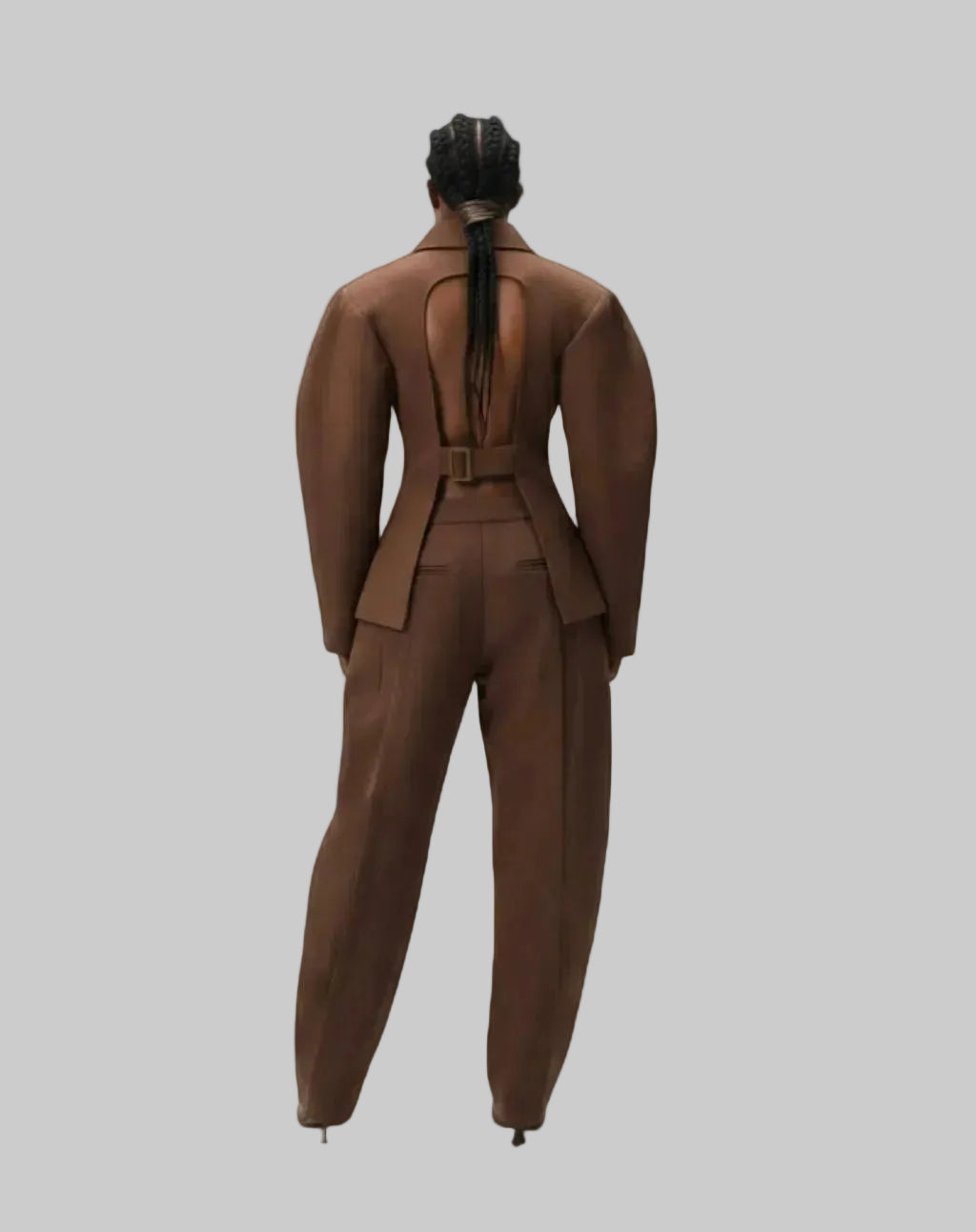
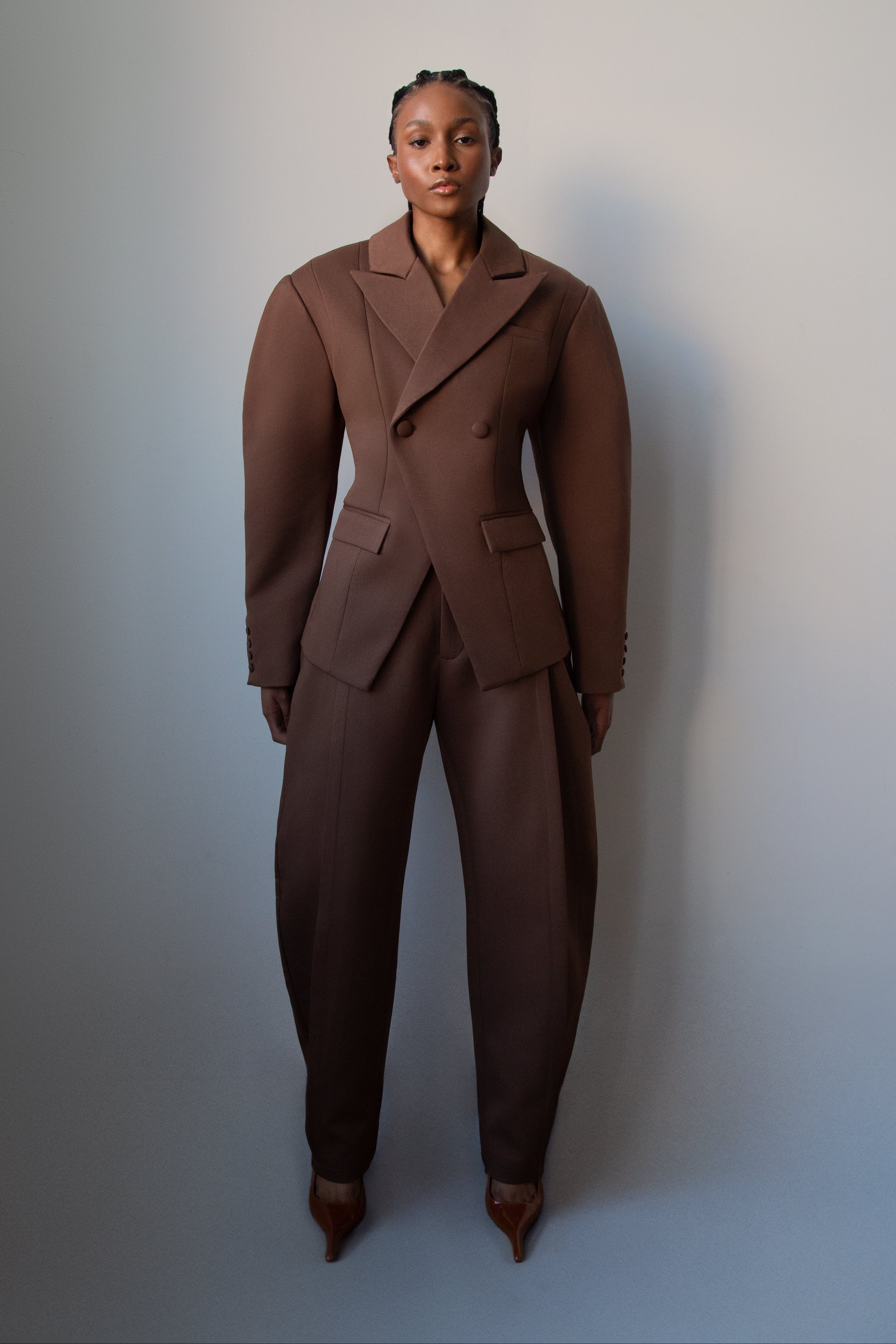
This applies to the way women dress, too. Clothing can be a powerful form of self-expression, a way of communicating identity, confidence, and personal perspective. But it should not become another test women must pass to justify their presence.
At AVNU, we see clothing as part of that conversation. The way a woman chooses to present herself can evolve with her, reflect her individuality, and support the spaces she occupies. It should not dictate the kind of woman she is expected to become.
Perhaps the real challenge is not simply learning how to be more visible. It is deciding what we are willing to give up in exchange for being seen.
Recognition can be valuable. Influence can be meaningful. Opportunities created through visibility can change the direction of a career, a business, or even an industry. But none of these things should require a woman to become a version of herself that is easier for everyone else to accept.
There is room to be ambitious without performing ambition, confident without constantly proving confidence, and visible without making every part of one's life public property.
Visibility should expand the possibilities available to women, not introduce another set of rules about how they must behave once they arrive.
Because perhaps the point is not to be seen by everyone. It is to be recognized without having to become someone else in the process.
Food for thought: Has being more visible opened doors for you, or has it sometimes made you feel that you have more to prove? And where do you draw the line between being seen and being constantly observed?