Cart
0
You may also like
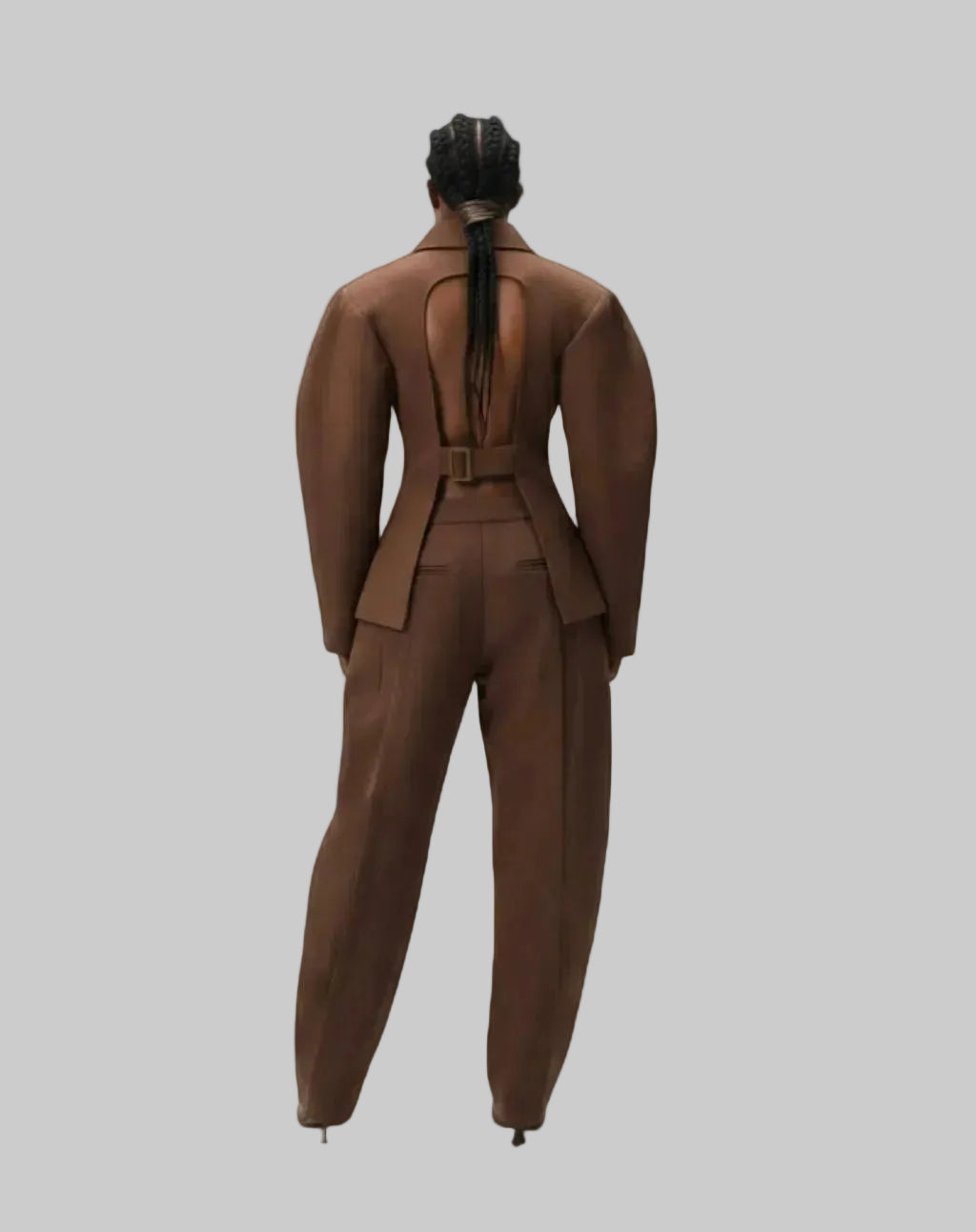
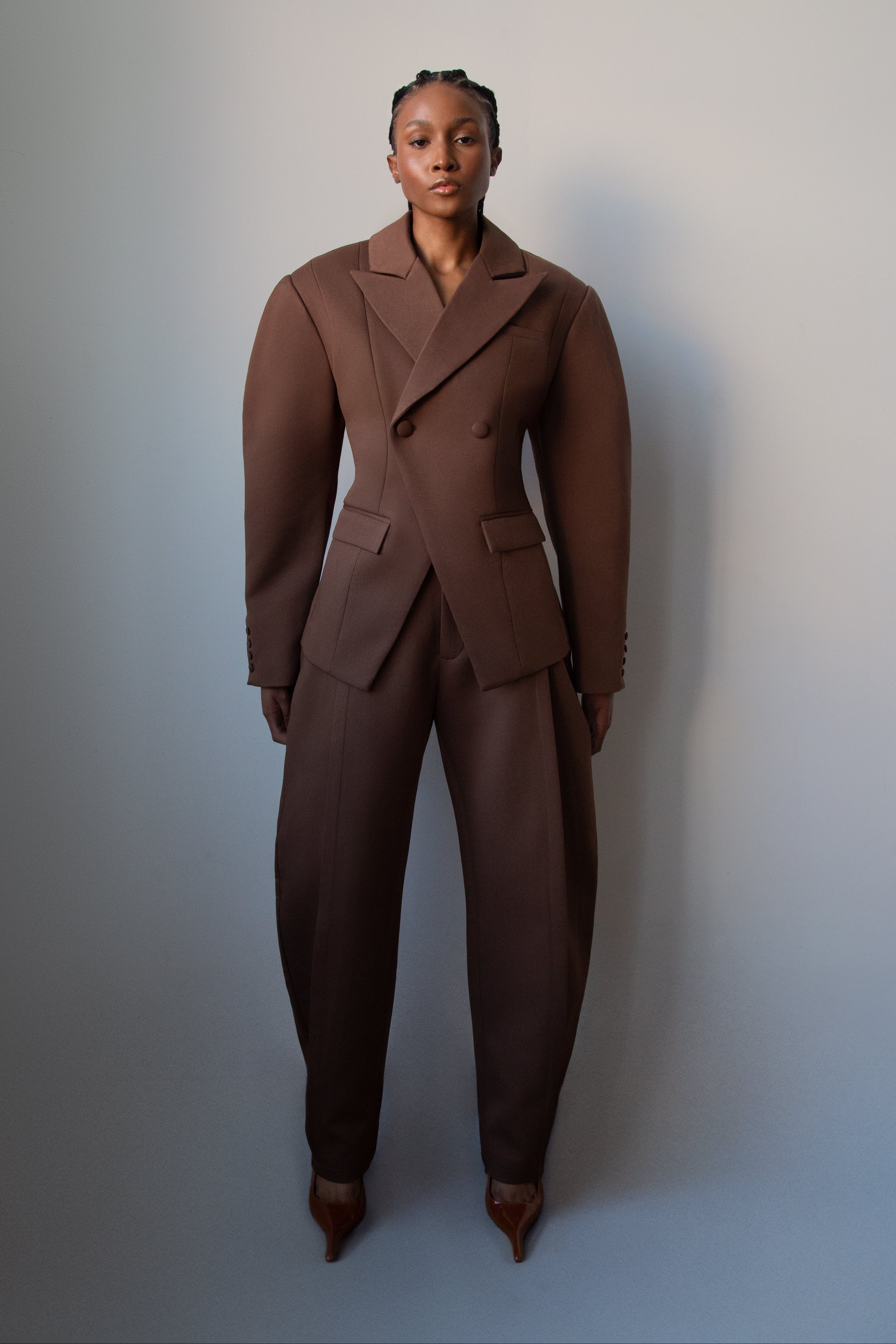


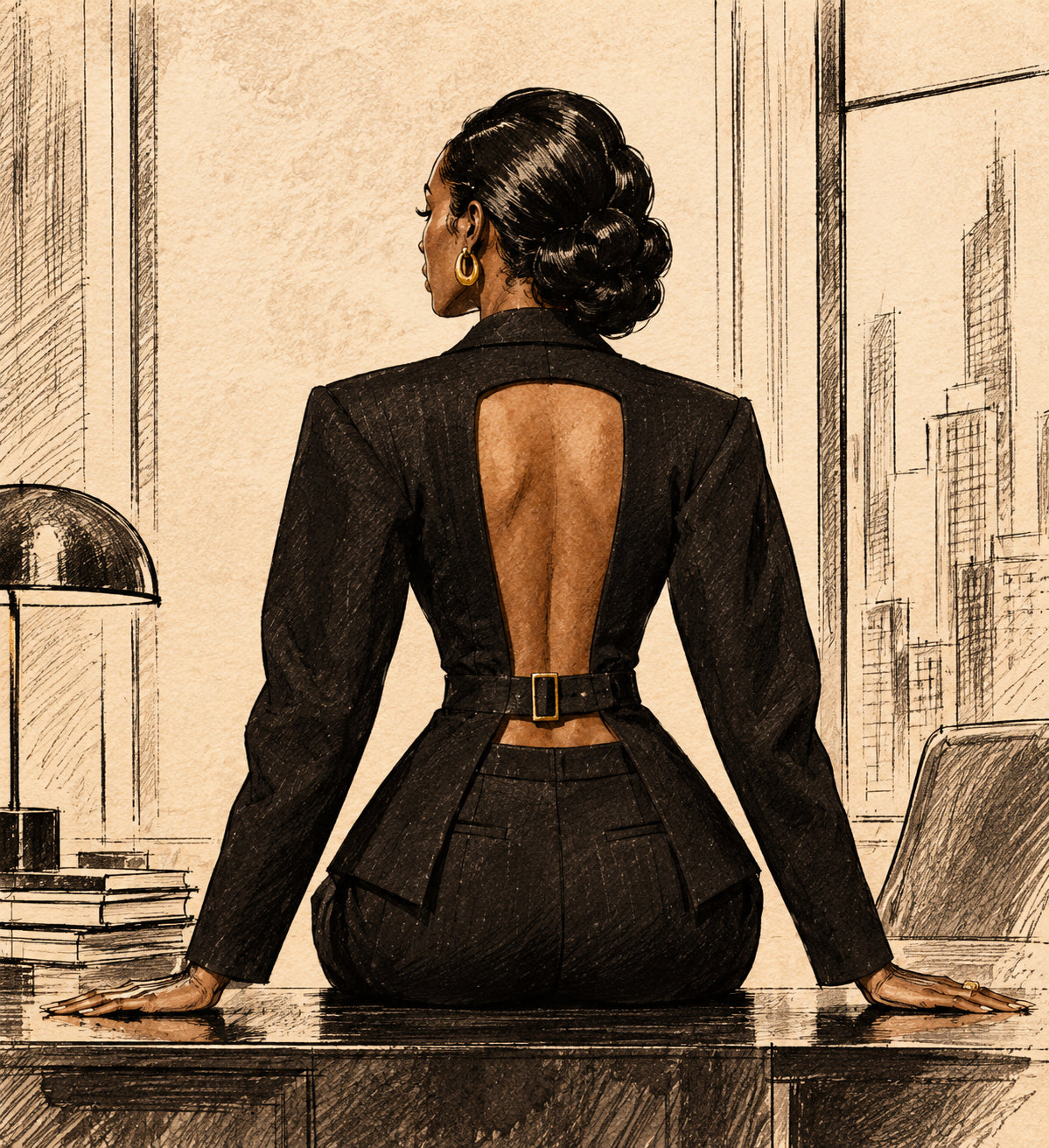
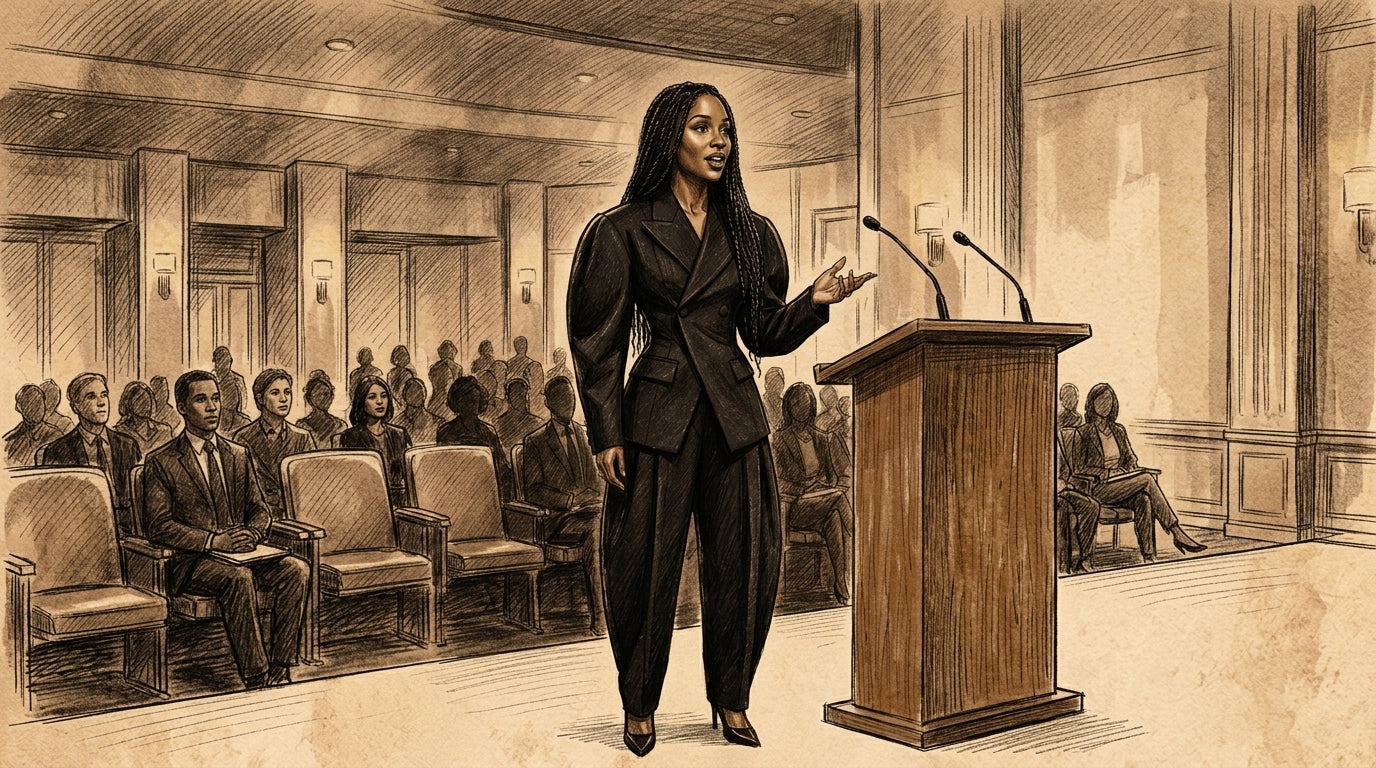
There is an image of a powerful woman we've become accustomed to when defining what a powerful woman should look like. But who created it, and why are women still expected to fit into that description? She is expected to be polished, composed, well-spoken, and impeccably dressed. She should know when to speak, when to listen, and, perhaps most importantly, how not to make anyone uncomfortable while doing either.
Her appearance communicates authority, but never too much of it. Her confidence is evident but never mistaken for arrogance. She is ambitious but somehow still expected to be accommodating.
We tell women to be confident, then question their confidence when it becomes too visible. We encourage them to take up space but sometimes expect them to make themselves smaller once they get there. We celebrate individuality, yet continue to reward women who fit familiar ideas of what success should look like.
And nowhere is this more visible than in the way women are expected to present themselves. A woman in a tailored suit might be considered powerful. Another might communicate the same authority through an unconventional silhouette, an expressive wardrobe, or an entirely different aesthetic. Yet one may be taken more seriously than the other.
When did authority acquire a dress code? And who decided that a woman must look a particular way before her ideas, decisions, or achievements are taken seriously?
Maybe the problem isn't how women choose to present themselves. Perhaps it's the expectation that their appearance must first satisfy someone else's definition of power.
There is nothing wrong with dressing intentionally. Clothing can influence how we feel, how we move, and how we choose to present ourselves to the world. A well-considered wardrobe can be an expression of ambition, creativity, personality, and self-assurance.
But there is a difference between choosing how you want to show up and feeling that you must dress a certain way to earn credibility. One comes from self-expression; the other comes from expectation. Women should be able to distinguish between the two.
The most interesting thing about personal style is that it does not have to look the same on everyone. Some women feel most confident in structured tailoring. Others prefer softer silhouettes, unexpected proportions, color, or pieces that challenge conventional ideas of dressing. None of these choices should diminish their authority. Power does not have one silhouette. It does not have one hairstyle, one wardrobe, one personality, or one acceptable way of occupying a room.

It is time we stop treating the appearance of a powerful woman as something that needs to be prescribed. A woman should be able to dress for the room without losing herself in it. She should be able to embrace femininity without having her intelligence questioned, express individuality without being considered less professional, and redefine her appearance without having to explain the decision.
At AVNU, we believe clothing should support a woman's expression of herself, not dictate who she is expected to become. That belief informs how we approach design, proportion, and adaptive tailoring.
We engineer clothing that gives women room to move, express themselves, and occupy space on their own terms. Because the purpose of getting dressed should never be to convince the world that you deserve to be taken seriously.
Food for thought: Have you ever felt that the way you dress influences how seriously people take you? We'd like to hear your perspective.